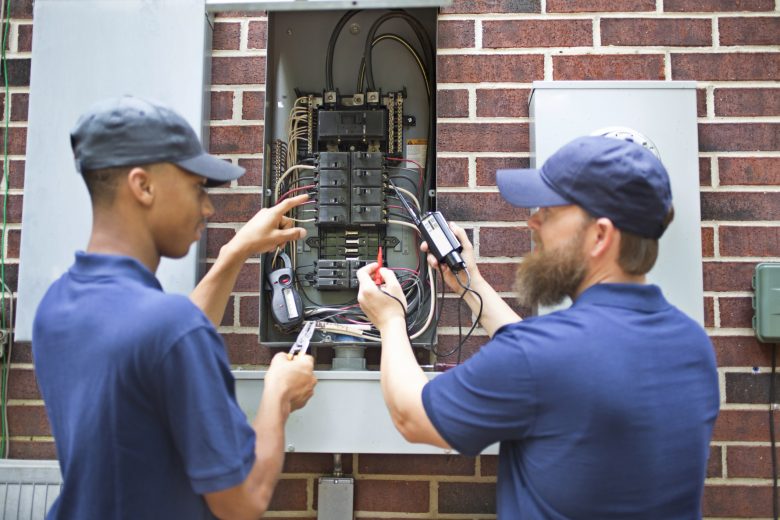
Ensuring electrical safety requires a comprehensive training program that equips the workforce with essential knowledge and practical skills relevant to real-life scenarios.
Diving into the components of a strong electrical safety training curriculum, this guide explains how combining them enhances safety standards, mitigates risks, and establishes a secure working environment.
Page Contents
Understanding NFPA 70E Standards
The NFPA 70E standard, governed by the National Fire Protection Association, is a crucial reference for effective electric safety instruction. Geared towards safeguarding employees from electrical hazards, these protocols lay down parameters for secure work procedures. A comprehensive course on NFPA 70E standards is essential to protect employees in any workplace involving electrical equipment.
Risk Assessment Procedures
Electrical safety is all about accurately assessing risks, which is the main focus in electrical safety education. To do this, learners must develop skills in identifying potential hazards. It’s also important to master the technique of arc flash risk assessment and become proficient in deploying Personal Protective Equipment (PPE), as these are essential elements of the training.
Hands-On Practical Training
Although book knowledge is important, practical training holds equal weight. Any curriculum should include putting knowledge into action through real-life situations. Examples of practical teaching methods include simulations of electrical malfunctions or demonstrations of secure handling of electrical equipment.
Emergency Response Training
Swift and appropriate emergency response teachings should be included in instructional modules to protect lives in the event of an electrical incident. It’s critical that workplaces are empowered with skills like first aid and fire safety tactics to tackle crisis situations. By ensuring all employees are empowered with these skills, employers can rest assured protocols are followed in case of electrical emergencies.
Regular Updates and Refresher Courses
In the continually evolving sphere of electrical safety, best practices consistently shift to reflect improvements in cautionary measures. This is why a Curriculum for Electrical Safety Training must stay up to date with these developments. Curriculum updates reflecting current safety practices, current safety measures, and PPE types are essential for a safe and competent workforce. These courses ensure employees stay up-to-date with electrical safety trends.
Course Content Customization
The effectiveness of an electric safety training program depends on its adaptability. A good program is not a one-size-fits-all solution, but rather a flexible framework that can be customized to meet the specific needs of different organizations. This flexibility allows for content modifications based on various factors such as the industry type, the type of electrical equipment used, and the roles of the learners.
As a result, the relevance and applicability of the training program are increased, ensuring maximum return on investment. A targeted training approach leads to increased effectiveness and improved safety standards.
Conclusion: Seek These Qualities in An Electricity Safety Course
An effective electrical safety training curriculum should cover several important factors, including comprehensiveness, hands-on application, adaptability, and relevant updates. Some of the key elements that such a curriculum should include are NFPA 70E standards, risk evaluation protocols, hands-on exercises, emergency response techniques, frequent updates, and customizability. By integrating these components, companies can significantly improve safety levels in their workplaces.

Leave a Reply