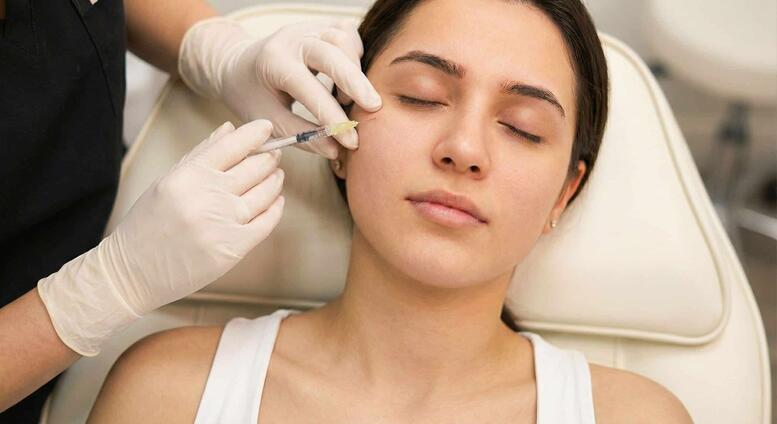
Few cosmetic treatments are as popular as anti-wrinkle injections, and few are as misunderstood. Done well, they soften expression lines while leaving your face able to move naturally. Done badly, they can leave you looking frozen or uneven. This guide explains how anti-wrinkle treatments in London work, what a typical appointment involves and how to choose a practitioner you can trust.
Page Contents
How do anti-wrinkle injections work?
Anti-wrinkle injections contain a purified protein that temporarily relaxes targeted muscles. Lines caused by repeated expressions, such as frowning or squinting, soften because the muscles beneath them contract less strongly. The effect is temporary and the muscles gradually return to normal activity.
In the UK, the medicine used is prescription-only. It has to be prescribed by a suitably qualified prescriber after an assessment, which is why a genuine consultation should come before any injection.
Which areas are commonly treated?
- Forehead lines:horizontal lines that appear when you raise your eyebrows.
- Frown lines:the vertical lines between the eyebrows, sometimes called “the elevens”.
- Crow’s feet:lines at the outer corners of the eyes.
- Other areas:some practitioners also treat the jaw, chin and neck bands, depending on your anatomy and goals.
What happens at an appointment?
- Consultation:your practitioner asks about your medical history, medication and goals, and examines how your face moves.
- Planning:the number and placement of injection points is based on your muscle strength, not a standard template.
- Treatment:a few tiny injections, which take only minutes and are usually described as a quick pinch.
- Aftercare:you receive advice, which often includes avoiding rubbing the area and strenuous exercise for a short time afterwards.
When will I see results, and how long do they last?
Results usually begin to appear within several days and settle over about two weeks. Most people find the effect lasts around three to four months, although this varies with the area treated, the dose and the individual. Regular, well-spaced treatments are the norm for people who want to maintain their results.
Possible side effects
Common effects are mild and temporary, such as small bumps, redness, bruising or a headache. Less commonly, a drooping eyelid or brow can occur if the product spreads to nearby muscles, which is why an experienced practitioner who understands facial anatomy matters. Always tell your practitioner about any medicines and health conditions.
Who should not have treatment?
- Anyone under 18, as cosmetic injectable treatments are not permitted for under-18s in England.
- People who are pregnant or breastfeeding.
- People with certain neuromuscular conditions, or a known allergy to the product.
- Anyone with an active skin infection at the injection site.
Tips for natural-looking results
- Ask for “softened” rather than “frozen” lines.
- Start with a conservative dose and review at a follow-up.
- Look at before and after photos of the practitioner’s own patients.
- Remember that treatment is only part of the picture. Sun protection and good skincare matter just as much.
Choosing a practitioner
Check that your practitioner is registered with the relevant professional body, such as the General Medical Council for doctors, and ask who prescribes the medicine. Make sure you receive a consultation, clear pricing and aftercare instructions.
An example of a doctor-led clinic
Dr L’Art in Holborn offers anti-wrinkle injections in London as part of its injectables service, with treatment planned by doctors rather than from a template. The clinic is led by Medical Director Dr Dianni Dai, who is GMC-registered, holds a Master’s degree in Aesthetic Medicine and has more than 11 years of clinical experience. You can read more about the clinic’s approach to wrinkles and fine lines on its website. Dr L’Art Aesthetic Clinic is at 29–31 New Oxford Street, Holborn, London WC1A 1BA, between Holborn and Covent Garden.
Final thoughts
The best results come from subtle, well-planned treatment by an experienced medical professional. Take your time at the consultation, ask questions and choose a clinic that puts your safety first.
Read More: Thank You Quotes For Teachers
