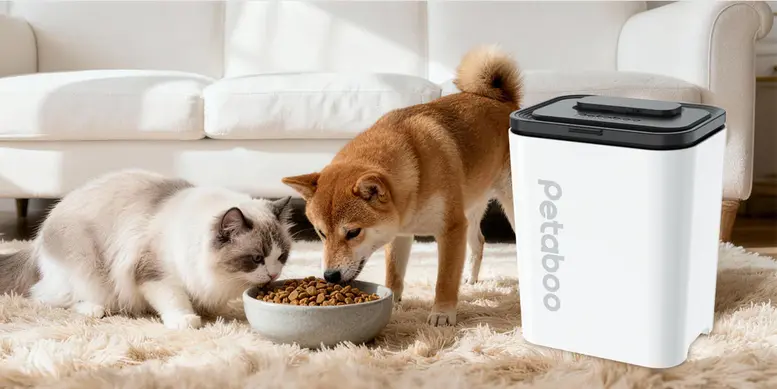
For pet parents living in regions touched by the East Asian monsoon, the arrival of the plum rain season (East Asia’s rainy season) brings a distinct shift in daily life. The air becomes thick and heavy, laundry refuses to dry, and a persistent, damp chill settles into the corners of our homes. While we often focus on keeping our pets physically dry and entertained indoors during these weeks of endless drizzle, an invisible battleground requires our urgent attention: the pet food bowl.
High humidity is the ultimate enemy of dry pet food. During the monsoon, the spikes in atmospheric moisture do more than just make kibble soggy—they initiate chemical and biological changes that can compromise your pet’s health. Understanding the science of food degradation during this specific season is crucial for keeping your furry family members safe and well-nourished.
Page Contents
The Triple Threat: Moisture, Mold, and Mycotoxins
To effectively protect your pet’s food, we must first look at what happens to kibble when it interacts with a high-humidity environment. Dry pet food is manufactured to have a very low moisture content, typically under 10%. This dry environment is exactly what keeps it shelf-stable. However, kibble is highly hygroscopic, meaning it actively absorbs moisture from the surrounding air.
When relative humidity consistently exceeds 70%—a baseline characteristic of the rainy season—three major risks skyrocket:
1. The Proliferation of Invisible Molds
Mold spores exist naturally in the air, completely invisible to the naked eye. When they land on moisture-rich kibble in a warm room, they awaken and begin to colonize. By the time you can actually see fuzzy white, green, or black spots on the food, the contamination is already deeply advanced.
2. The Danger of Mycotoxins
The true danger of mold isn’t just the fungi itself, but the toxic chemical byproducts they create, known as mycotoxins (such as aflatoxins). These toxins are incredibly resilient; they cannot be destroyed by cooking or freezing. Ingesting mycotoxins can lead to severe poisoning in pets, resulting in symptoms ranging from lethargy and vomiting to long-term liver damage.
3. Lipid Peroxidation (Rancidity)
High-quality pet foods contain essential fatty acids (like Omega-3 and Omega-6) that are vital for your pet’s skin, coat, and joint health. When exposed to heat and moisture, these fats undergo a chemical reaction called oxidation. This breaks down the nutritional value of the food and produces a sour, rancid smell that might cause your pet to reject their meals entirely.
Why Traditional Storage Fails in High Humidity
Many standard pet food storage habits that work perfectly fine during the dry winter months fail miserably during the monsoon season.
The Original Bag with a Plastic Clip: While rolling down the top of the original bag and securing it with a clip keeps pests out, it does absolutely nothing to stop air exchange. The heavy, damp air easily seeps through the folds, slowly degrading the food from the top down.
Standard Snap-Lock Bins: Plastic bins with latching lids offer a false sense of security. Every time you open the bin to scoop out a meal, you let a fresh pocket of humid air inside. Once the lid is snapped shut, that moisture is trapped inside with the food, turning the container into a miniature greenhouse.
The Golden Rules of Monsoon Pet Food Preservation
Surviving the rainy season requires a shift from passive storage to active environmental management. Here is how to audit and upgrade your pet food routine to combat the dampness.
1. Buy Smaller Rations
The easiest way to prevent food spoilage is to minimize the time the food spends in your home. If you normally buy a large, economical bag of kibble that lasts two months, switch to smaller bags that can be consumed within two to three weeks during the peak of the rainy season. The shorter the exposure time, the lower the risk of contamination.
2. The “Bag-In” Strategy
If you do use a storage container, do not pour the kibble directly into the plastic bin. The plastic can absorb oils over time, which go rancid and contaminate fresh batches of food. Instead, keep the food inside its original packaging (which is designed with specialized barriers to protect the food) and place the entire bag inside your container.
3. Deploy Food-Grade Desiccants
Silica gel packets are your best friends during the monsoon. Tape a few large, food-safe silica gel packets to the underside of your storage container lid. These packets will actively pull moisture out of the air inside the container, keeping the internal environment dry. Remember to replace or regenerate them frequently as they saturate quickly in humid weather.
Elevating Your Storage: The Airless Solution
For those looking for a foolproof, technology-driven defense against the climate, eliminating the air altogether is the gold standard. Utilizing an 自動真空ペットフード保存容器 changes the game entirely.
Unlike standard containers that merely trap humid air inside with the kibble, an automatic vacuum storage system actively pumps the air out of the chamber after every single use, creating a pressurized, oxygen-depleted environment.
By removing the oxygen and moisture, you effectively halt the oxidation process of vital fats and create an environment where mold spores cannot germinate. The “automatic” feature is particularly crucial during the rainy season, as it constantly monitors the internal pressure, automatically re-engaging the vacuum pump if any microscopic air leaks occur due to shifts in atmospheric pressure.
Feeding and Bowl Hygiene During the Rains
Food preservation doesn’t end when the kibble leaves the storage container. The environment in your pet’s feeding area is just as critical.
Ditch the Free-Feeding: If you leave dry food out all day for your pet to graze on, that food is absorbing moisture from the humid room for hours. Switch to scheduled feeding times, and pick up any uneaten food after 20 minutes.
Wash Bowls Daily: Saliva mixed with leftover kibble dust creates a breeding ground for bacteria, which accelerates exponentially in warm, humid weather. Stainless steel or ceramic bowls should be washed with hot, soapy water after every single meal. Ensure the bowl is 100% dry before placing new food inside.
Conclusion: A Small Shift for Big Health Benefits
The plum rain season can be a challenging time for maintaining a fresh, healthy home environment, but protecting your pet’s nutrition doesn’t have to be an overwhelming chore. By understanding how humidity interacts with kibble, adjusting your purchasing habits, and upgrading to moisture-defying storage solutions, you can ensure that every meal your pet eats is as crisp, nutritious, and safe as the day it was packaged. After all, a healthy gut is the best defense against the gloomy season!
