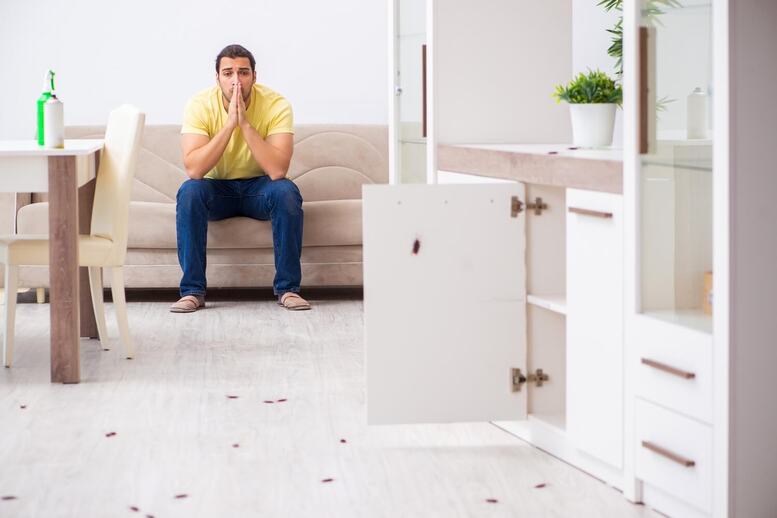
Even the cleanest homes can quietly attract pests without you realizing it. A pest exterminator might tell you that most infestations start with small, everyday habits, things that seem harmless but create perfect conditions for insects and rodents to move in. Before you call for help, here’s what could already be drawing them inside.
Page Contents
Everyday Habits That Attract Pests
It’s often not the “dirty” things but the routine conveniences that attract pests. Pet food bowls left out overnight, reusable grocery bags that pick up crumbs or moisture, and even electric toothbrush bases that collect water can create micro-feeding stations. The modern home is a buffet of “unintentional hospitality.” Smart speakers, coffee machines, and air diffusers emit warmth and moisture that contribute to pest attraction, luring insects looking for humidity and shelter. Even small oversights, like leaving the trash can lid slightly open, the dishwasher closed but damp, or a nightlight on near a window, offer scent trails and warmth that attract pests closer. Reusable water bottles, lunch boxes, or grocery bags kept near pet food or left with a thin film of residue create a daily scent memory that keeps insects coming back.
Hidden Signs of Pest Attraction in Your Kitchen
A kitchen can look spotless and still be a buffet under a microscope. Crumbs wedged between countertops and appliances or grease films on backsplash tiles emit consistent food signals that ants, roaches, and flies detect through chemical receptors. Even “invisible” organic films, like from wiping with a damp, reused rag, become bacterial microhabitats that pests use as entry points. What homeowners think of as “clean” is often just visually clean, not odor-neutral. Pests navigate by scent particles, not sight, so that invisible layer of oil on your range hood or the faint sweetness from a juice spill wiped with a damp cloth still broadcasts an “open for business” signal hours after you’re done cooking. This subtle pest attraction is often the invisible answer to what attracts pests even in a spotless-looking home.
Moisture Problems and What Attracts Pests
Leaks aren’t just water, they’re ecosystems. Drips create humid zones that lower the body stress of pests like silverfish, centipedes, and cockroaches. Rodents seek these same areas because water sources are rare indoors. A tiny pipe condensation ring or shower leak can support mold growth, which in turn attracts pests like fungus gnats and roaches. Moisture connects everything: it regulates temperature, grows microbial food, and softens materials that burrowing pests can exploit. A single hidden pipe leak can host mold, fungus gnats, roaches, and rodents, all feeding on the same micro-environment you never see. These insects attracted to water are one of the biggest hidden causes of pest attraction in modern homes.
Cluttered Spaces and Facts About Insects You Should Know
Pests don’t see clutter as “mess”; they see microclimates. Stacked cardboard boxes trap warmth and darkness, perfect for roaches and spiders. Paper absorbs humidity, creating nesting-friendly insulation. Tight gaps between boxes or books mimic natural burrows: dark, protected, and temperature-stable. Cardboard also releases a cellulose scent that attracts insects seeking organic material. Even seasonal decor bins or long-term storage in garages become “no-predator zones,” where rodents and silverfish can breed undisturbed for weeks. The less you move something, the safer it feels to a pest. That’s also why cluttered bedrooms or storage areas can quietly attract bed bugs, and why calling a bed bug exterminator early is key before they spread. Understanding these facts about insects helps reveal what attracts pests and why cluttered corners are more than just visual mess, they’re ecosystems waiting to grow.
Common Plants That Attract Insects Indoors
Indoor greenery creates a miniature outdoor ecosystem, especially when overwatered. Damp soil grows fungi, feeding fungus gnats, while sugary nectar from houseplants like orchids and bromeliads attracts pests such as ants and fruit flies. Aphids and scale insects can appear seemingly out of nowhere, excreting “honeydew” that lures even more bugs. Overwatering doesn’t just stress your plants, it activates a full food web of decaying roots, mold, and microscopic life that pests exploit. The trick isn’t to avoid plants that attract insects, but to water deeply, not frequently, and ensure proper drainage. Learning these facts about pests can help you manage indoor greenery without accidentally feeding unwanted guests.
Scents Linked to Facts About Pests and Infestations
Pests follow scent trails like GPS signals. Sweet or fruity candles, perfumes with vanilla or floral notes, and laundry softeners can mimic the chemical signatures of ripening fruit or nectar, attracting pests like flies and ants. Pet food, even in sealed bags, especially fish-based kibble, releases oily vapors that rodents detect. And “odor-blocking” or scented trash bags can backfire by masking human-perceived smells while leaving the volatile compounds pests follow fully detectable. These facts about pests show that what smells pleasant to you may be an irresistible pest attraction cue.
Why Lights Draw Insects Attracted to Light
Warm, bright light at night acts like a “runway beacon” for moths, beetles, and flying ants. Many insects attracted to light use the moon for navigation, so a bright LED near a window can hijack their flight path straight into your siding or vents. Once near the house, they exploit weak spots, gaps around vents, AC lines, or pet doors that don’t close flush. Pet doors, in particular, act like revolving doors for insects following pet scent trails. Warm air escaping from unsealed vents or pet doors adds scent and temperature gradients that guide pests directly to your walls, making your home smell like a heated cave with snacks. Understanding what attracts pests at night is key to keeping them out.
Leaks That Invite Insects Attracted to Water
These materials are more than building blocks, they’re food and shelter in one. Termites and certain roaches consume cellulose found in wood and cardboard, while rodents shred fibrous materials like insulation for nesting and moisture absorption. Even eco-friendly insulation made from paper, cotton, or plant fibers can become prime nesting material when moisture is present. Essentially, anything fibrous, porous, or warm is a potential invitation for insects attracted to water and other moisture-loving pests. This connection between materials and pest attraction highlights how even building choices can unintentionally attract pests.
Home Décor Choices Linked to Pest Attraction
Many home fragrances are built on botanical and sugar-based oils, which are naturally alluring to pests. A lavender or floral candle may calm you but can attract moths and other insects drawn to plant oils. Natural fiber décor, like cotton, wool, or linen, doubles as both food and shelter for fabric pests, while curtains, rugs, and throw pillows trap dust and skin flakes that feed carpet beetle larvae and dust mites. Regular vacuuming and choosing unscented or citronella-based options can help balance aesthetics with prevention. These are often-overlooked facts about insects that explain what attracts pests to even the most stylish interiors.
Warm Electronics That Attract Pests Indoors
Electronics create the perfect trifecta: heat, darkness, and safety. Roaches, ants, and small spiders gravitate toward these devices because internal fans mimic airflow in natural burrows, and dust buildup offers insulation. Inside routers, TVs, or gaming consoles, temperatures hover around 85-95°F, ideal for pest survival. The constant hum can even mimic low-frequency colony vibrations, signaling a “safe zone.” Once pests move in, their waste can cause short circuits or attract more insects via pheromone trails. Regular dusting or gentle vacuuming near vents turns simple tech maintenance into pest prevention, and helps minimize hidden pest attraction points that silently attract pests indoors.
Read More: Sad In Life Quotes
